
Post-Cooling Protocols: Optimizing Recovery After Heat Exposure
Post-Cooling Protocols: Optimizing Recovery After Heat Exposure
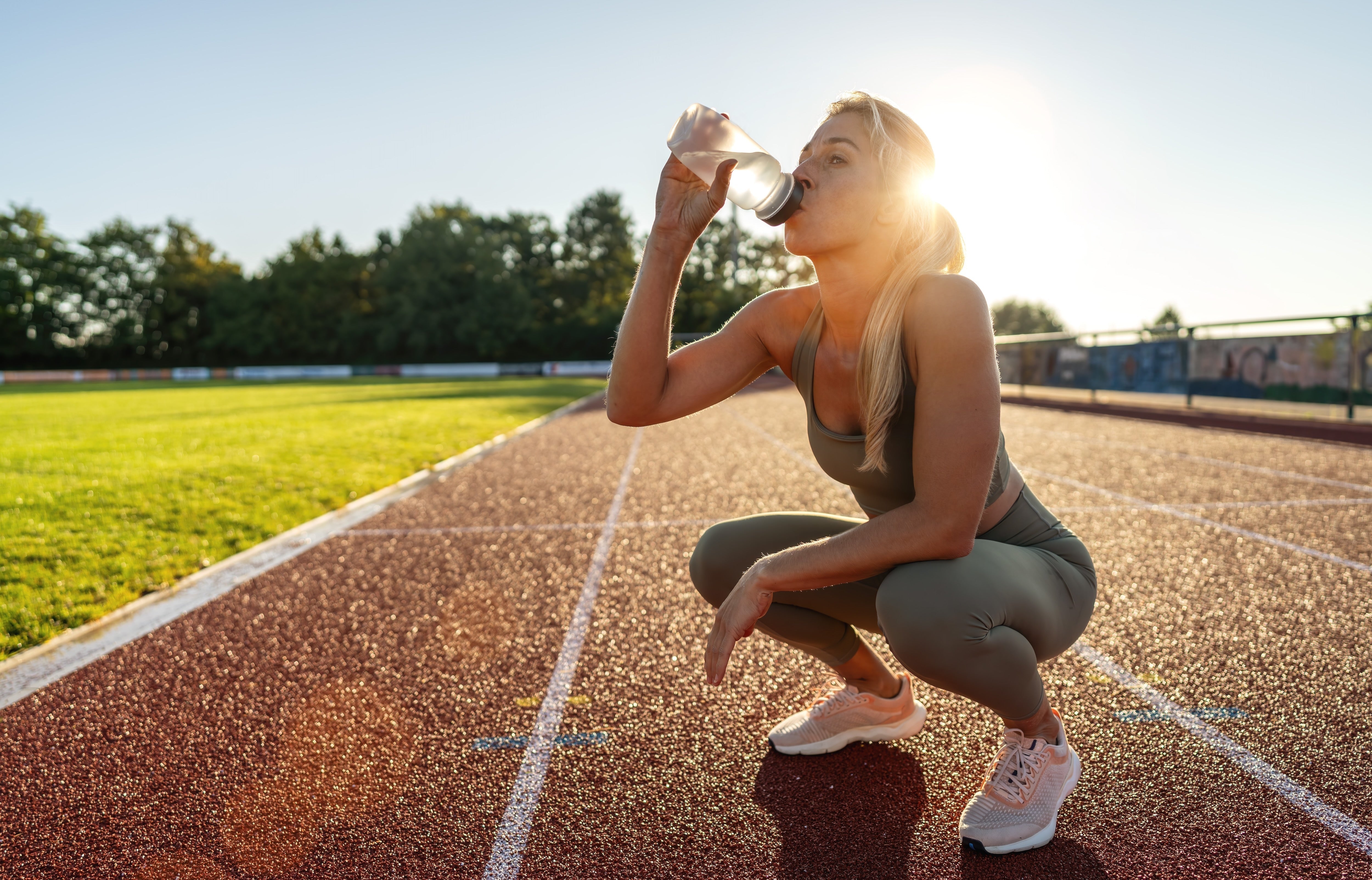
Practice ends. Your athletes have worked hard in heat. Now comes a critical window: the recovery period where their bodies transition from work mode back to baseline. What happens in the next 30–60 minutes directly affects whether they'll be ready to train hard again tomorrow, or whether they'll carry thermal fatigue into the next session.
Post-cooling protocols address the Recovery R—the evidence-based approach to accelerating physical and thermal recovery after heat exposure. This isn't about "cooling down" at the end of practice. It's about monitoring how athletes recover, managing that recovery strategically, and ensuring they're ready for the demands ahead.
Why Post-Exposure Recovery Matters
Heat exposure doesn't end when activity stops. Core temperature continues to redistribute for 15–30 minutes after practice, and multiple physiological systems remain elevated: cardiovascular demand, hormonal stress, fluid loss, and metabolic demands. Understanding recovery patterns is key to sustained performance across multiple training days.
Athletes who recover incompletely between sessions accumulate thermal strain. They start the next practice already warm, with less capacity. Recovery monitoring reveals this pattern before it impacts performance or readiness.
Post-Cooling Methods: What Accelerates Recovery
Cold Water Immersion
Submersion in cool water (50–59°F for 10–15 minutes) after practice accelerates heat dissipation and is particularly effective when core temperature is still elevated. Many teams use localized options if full immersion isn't available: ice baths for legs, cold shower access, or ice packs on high-heat-loss areas.
Why it works: Direct heat transfer to water cools the body quickly, reducing the time spent in elevated thermal state. This frees up cardiovascular resources that would otherwise be tied up in cooling.
Practical considerations: Cold immersion should happen within 15–30 minutes of activity ending, while core temperature is still elevated. Waiting too long reduces effectiveness.
Cold Showers or Cold Water Exposure
When structured cold immersion isn't available, cold showers or splash-down with cool water provides measurable benefit. Not as aggressive as full immersion, but practical for field settings and accessible to all athletes.
Practical approach: Post-practice showers in cool (not cold) water are standard hygiene; make this part of recovery protocol by timing it appropriately and educating athletes on why cool water matters.
Rehydration with Electrolytes
Heat exposure causes significant fluid and electrolyte loss through sweat. Post-activity rehydration is critical to recovery. The goal: replace 150% of fluid lost over the next 2–4 hours, with sodium-containing beverages to enhance retention.
Why it works: Sodium in rehydration fluids slows urine production and improves fluid retention far more effectively than water alone. This restores blood volume and cardiovascular function.
Practical approach: Immediately post-practice, provide cold fluids with sodium (500–700 mg/L) and carbohydrate (4–8 g/100 mL). Athletes drink gradually over the next several hours, not all at once.
Ice Towels and Localized Cooling
Cold towels applied to high heat-dissipation zones—neck, groin, inner wrists, armpits—during the post-practice period accelerate cooling. Effective even when full body cooling isn't available.
Practical approach: Have cold towels ready immediately post-practice. Athletes can use them while rehydrating and showering, integrating cooling into normal post-practice routine.
Passive Cooling in Shade or Air Conditioning
Simply moving to a cool environment (shade, air-conditioned locker room, cool gym) allows heat dissipation. This is the lowest-barrier option and often underutilized.
Practical approach: If sophisticated cooling isn't available, move athletes to the coolest space available immediately post-practice. Even moderate cooling helps.
Monitoring Recovery: The Data Approach
Real-time monitoring doesn't stop when practice ends. Continuing to track core temperature, heart rate, and recovery metrics during post-practice reveals individual recovery patterns and the effectiveness of your cooling protocol.
Individual variation is real: One athlete recovers completely within 45 minutes; another needs 2+ hours. Data shows who needs more aggressive intervention and who recovers quickly.
Protocol effectiveness: Does your current post-cooling method actually accelerate recovery measurably, or is it just ritual? Compare recovery curves with and without interventions to see what's working.
Cumulative fatigue: Track practice-to-practice recovery. If an athlete's baseline (resting core temperature before the next practice) is rising day-to-day, they're not recovering fully. Data flags this before it becomes a performance issue.
Acclimation effects: As athletes acclimate, their recovery faster improves. Real-time data shows this positive trend, giving evidence that the acclimation program is working.
Building Your Post-Cooling Protocol
Effective recovery protocols are individualized, data-informed, and integrated into post-practice routine.
- Establish baseline recovery: Have athletes wear HeatSense during early-season practices. Note their typical core temperature at practice end and recovery trajectory over the next hour. This becomes your reference.
- Assess resources: What cooling options are available? Water access, ice, shade, air conditioning? Start with what you have.
- Implement tiered cooling: For athletes recovering well, basic rehydration and shade may suffice. For slower responders, add ice towels or cold immersion.
- Make hydration intentional: Cold fluids with sodium aren't optional—they're core to recovery. Make this non-negotiable.
- Track outcomes: Use monitoring data to see which athletes recover quickly and which need extended protocols. Adjust based on evidence.
- Time it right: Cooling works best within 15–30 minutes of activity end. Post-practice logistics matter—make cooling part of your standard flow.
- Educate athletes: Athletes who understand why recovery matters are more compliant. Explain that proper recovery today enables better training tomorrow.
The Recovery R in the 4 Rs Framework
Recovery is the third R, following Readiness and Response. Together, they form a complete cycle:
Readiness: Pre-cooling prepares athletes to start well
Response: Per-cooling during practice keeps athletes performing optimally
Recovery: Post-cooling protocols accelerate return to baseline and prepare for next session
Resilience: Over weeks, heat acclimation reduces reliance on cooling as capacity builds
Skip recovery, and you miss the opportunity to accelerate readiness for the next day. Good recovery compounds the benefits of good readiness and response.
Individual Recovery Curves and Readiness Assessment
Every athlete has a unique recovery curve. Individual heat monitoring reveals these patterns.
Some athletes' core temperatures return to baseline within 45 minutes; others take 2+ hours. Some show rapid heart rate recovery; others have elevated heart rate for extended periods. These patterns are normal individual variation—not problems to fix, but information to work with.
Use this data to:
- Set individual cooling protocols (aggressive cooling for slow responders, lighter protocols for fast responders)
- Determine when each athlete is truly ready for the next training session
- Identify whether recovery is improving (a sign of successful acclimation) or stalling (a sign of insufficient recovery or overtraining)
- Make informed decisions about training load and progression
Setting individual readiness thresholds makes this personalized. Rather than assuming everyone is "recovered" at the same point, you know when each athlete is actually ready based on their data.
Multi-Day Heat Training: Cumulative Recovery Matters
In hot-weather training camps or pre-season periods, athletes train intensely for multiple consecutive days. This compounds thermal strain if recovery is incomplete between sessions.
Cumulative thermal fatigue is subtle but real: athletes start each practice slightly warmer, reach peak temperatures faster, and take longer to recover—a cascading effect that limits training effectiveness.
Monitoring recovery trends across a full heat acclimation period reveals this pattern. If day three's baseline is higher than day two's, recovery is incomplete. Data guides whether to extend recovery time, reduce intensity, or adjust protocol.
Integrating Recovery Monitoring into Coaching Decisions
Recovery data changes how you approach daily training planning:
- Day-to-day adjustments: If morning recovery data shows athletes are inadequately recovered, reduce that day's intensity or add extra recovery time.
- Progression decisions: Before increasing training intensity, confirm that athletes are recovering fully from current load.
- Acclimation pacing: Use recovery improvement as evidence that acclimation is progressing. When recovery becomes faster and baselines lower, you can increase intensity.
- Individual load management: Some athletes might need extended recovery while others progress to harder work. Data makes individual adjustments defensible and effective.
The Readiness Platform Perspective
HeatSense as a readiness platform means recovery monitoring isn't about detecting problems—it's about optimizing training. You're seeing what coaches can't see: individual recovery patterns, cumulative fatigue, acclimation progress.
This visibility enables smarter coaching decisions that improve both performance and training quality. Athletes feel more confident, trust the process, and engage more fully when they see that you're managing them based on actual data, not assumptions.
Practical First Steps with Post-Cooling
- Week 1: Implement basic recovery: cool environment, rehydration with electrolytes, cold towels if available. Establish baseline recovery data.
- Week 2–3: Add more aggressive cooling if data shows athletes need it. Track whether new protocols improve recovery curves.
- Week 4+: Refine based on data. As athletes acclimate, they'll recover faster—you may need less aggressive cooling. Let data guide the adjustment.
Recovery protocols don't have to be elaborate. They have to be consistent, informed by data, and aligned with your athletes' actual needs. That's what works.
Beyond the Off-Season: Year-Round Recovery Thinking
Post-cooling protocols matter most in heat season. But the recovery mindset—monitoring how athletes bounce back, adjusting training based on recovery data, ensuring readiness—applies year-round. This is what sustainable training looks like.
FAQ
Q: How long after practice should post-cooling happen?
A: As soon as possible. Cooling is most effective within 15–30 minutes of activity end, when core temperature is still elevated. Waiting longer reduces effectiveness. Make it part of immediate post-practice routine.
Q: What if I don't have cold water or ice available?
A: Start with passive cooling: move to shade or air conditioning, provide cool fluids with electrolytes, use cool towels or water. Even moderate cooling helps. Advocate for better resources as the value of monitoring becomes apparent.
Q: Can athletes train again the day after intense heat practice?
A: Yes, if recovery is complete. Use monitoring data to confirm. If baseline core temperature or heart rate is elevated the next morning, recovery isn't complete—reduce that day's intensity or add more recovery time.
Q: How do I know if post-cooling is actually working?
A: Compare recovery data with and without interventions. Does core temperature return to baseline faster with cooling? Does heart rate recover more quickly? Does the following day's baseline improve? Data provides the answer.
Q: Should athletes cool off immediately, or wait for heart rate to come down first?
A: Cool immediately, while core temperature is elevated. Heart rate will come down as part of the recovery process. The sooner you cool the core, the faster overall recovery will be.


