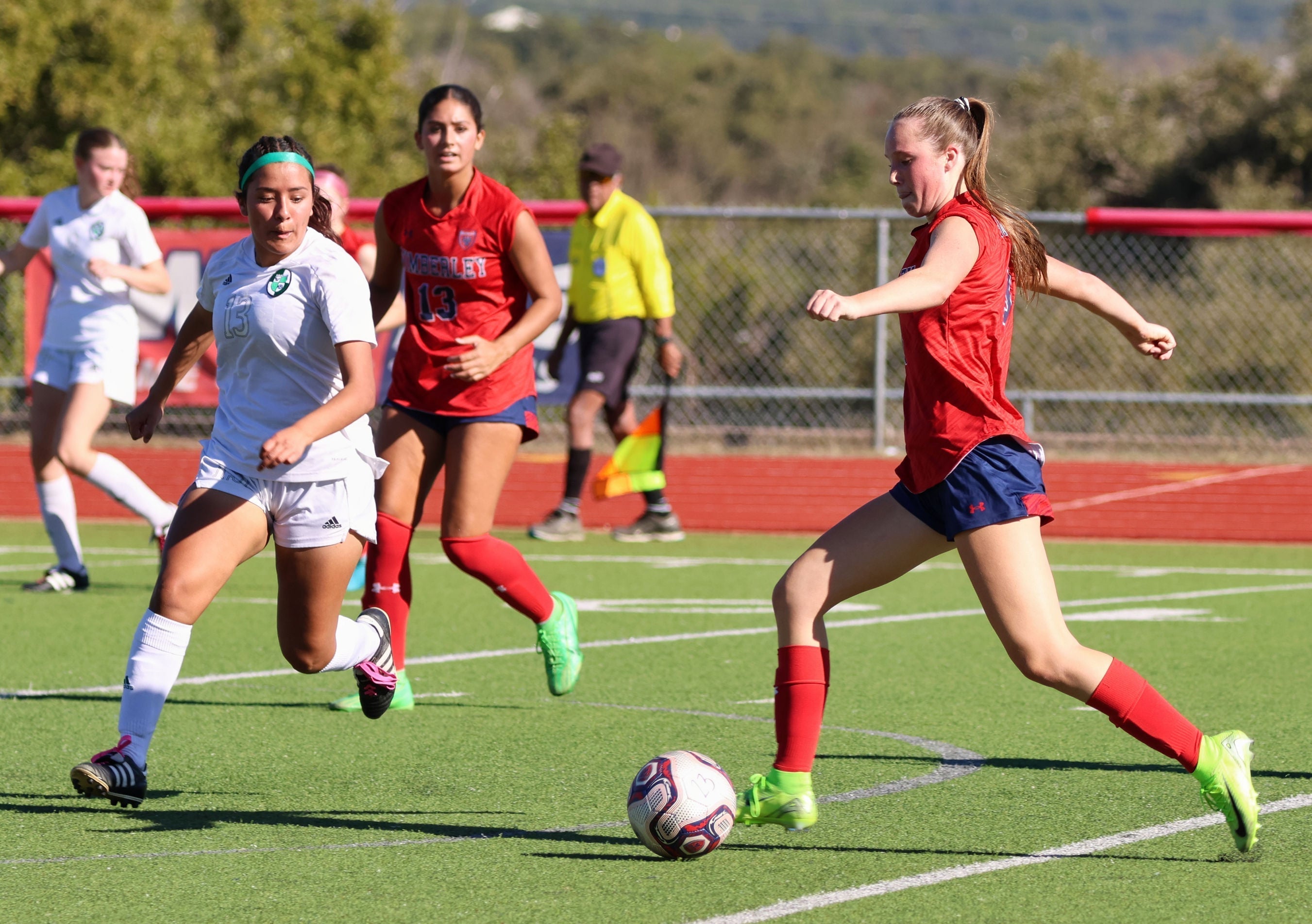
Cooling During Practice: Real-Time Adjustments That Keep Athletes Performing
Cooling During Practice: Real-Time Adjustments That Keep Athletes Performing
Practice is happening, the intensity is high, and conditions are hot. Your athletes are working hard. This is exactly when heat response visibility matters most—because real-time data lets you stay ahead of heat stress with precise, individual interventions. This is pro-cooling: strategic cooling during activity that keeps athletes in the optimal performance zone.
Pro-cooling is the Response in the 4 Rs framework—the active management of heat during practice. It's not about waiting for problems to emerge. It's about using real-time data to make coaching adjustments that help athletes sustain effort longer, recover faster between drills, and train smarter in heat.
What Pro-Cooling (Proactive Cooling) Actually Is
Pro-cooling is the strategic application of cooling methods during active practice to manage individual heat response. It's individualized—two athletes in the same conditions may need different timing and methods. It's data-driven—real-time monitoring shows you who needs intervention and when. And it's practical—the methods integrate seamlessly into your existing practice flow.
The goal isn't to make athletes cold. It's to help them maintain their ability to perform, recover, and adapt. The shift from reaction to response means you're adjusting based on individual data, not reacting to visible problems.
Pro-Cooling Methods That Work
Strategic Water Breaks with Cold Fluids
The simplest, most effective method: scheduled breaks where athletes drink cold water or sports drinks. Cold fluids cool the core from inside while replacing fluid lost to sweat.
Practical approach: With real-time monitoring, you see which athletes' temperatures are trending upward and time breaks accordingly. One athlete might need a break every 15 minutes; another handles 20. Data guides the decision.
Shade Rotation
Positioning athletes in shaded areas during water breaks or lower-intensity intervals allows skin to radiate heat more effectively. Some teams structure practice so athletes rotate through shaded and sunny zones strategically.
Practical approach: When monitoring shows an athlete's response climbing, direct them to shade for their next interval or break. This simple adjustment provides measurable thermal relief.
Ice Towels and Cold Wraps
During breaks, cold towels applied to high heat-dissipation zones—neck, shoulders, inner wrists, groin—help cool blood returning to the core. Pre-cool towels in insulated coolers before practice.
Practical approach: Athletes grab a cold towel during water breaks, apply it while hydrating, and return to practice. No extra time, measurable benefit.
Misting Systems
Spray bottles or misting fans wet skin, allowing evaporative cooling. Effectiveness varies by climate: excellent in dry heat, more modest in humidity. Athletes often report improved thermal comfort regardless.
Practical approach: Station mist fans at practice sidelines. Athletes can access them during breaks or coaching stoppages.
Practice Structure Modifications
Pro-cooling includes adjusting practice itself: reducing drill intensity, extending breaks, lowering work-to-rest ratios, or moving high-intensity work to cooler parts of the day. These modifications, informed by real-time data, reduce the need for more aggressive intervention.
Practical approach: If data shows a group is heating faster than expected, extend the next break or move conditioning to later. Flexibility based on individual response is the key.
Using Real-Time Data to Time Interventions Perfectly
Real-time heat response monitoring transforms pro-cooling from guesswork to precision coaching.
Predictive intervention: When data shows an athlete's heat response trending upward, cooling happens before strain limits performance. You're not waiting for visible signs; you're staying ahead.
Individual variation: One athlete thrives with standard practice; another needs more frequent breaks or cooling. Real-time data eliminates the assumption that everyone responds the same way.
Acclimation tracking: As athletes acclimate over the first 10–14 days of hot-weather training, their heat response improves. Real-time data shows this improvement, letting you gradually increase intensity as the team adapts—without guessing when it's safe.
Environmental responsiveness: A cloud passes over, wind picks up, humidity spikes. Real-time monitoring shows how these changes affect each athlete, enabling immediate tactical adjustments.
Building a Pro-Cooling Protocol for Your Team
Effective per-cooling isn't complicated, but it does require intentionality.
- Assess your resources: Cold water, towels, shade, fans—what do you have? Start with what's available and build from there.
- Establish baseline understanding: Before heat season, establish each athlete's typical heat response in normal conditions. This becomes your reference point.
- Set individual thresholds: Work with athletic trainers to understand each athlete's readiness zone. When does their response become a coaching flag?
- Plan break timing: In early season, breaks may be more frequent. As acclimation progresses, athletes need fewer interventions. Let data guide the schedule.
- Train your coaching staff: Everyone needs to understand how to interpret real-time data and execute interventions quickly and consistently.
- Educate athletes: Athletes who understand why per-cooling matters and how it helps them perform are more compliant and engaged.
The Response R in Action
Pro-cooling sits at the heart of the Response R. The 4 Rs framework builds like this:
Readiness: Pre-cooling and preparation set athletes up to start well
Response: Pro-cooling during practice lets coaches make real-time adjustments based on individual data
Recovery: Post-practice monitoring ensures athletes are ready for the next session
Resilience: Over weeks, acclimation reduces reliance on aggressive cooling as capacity builds
Pro-cooling is how you translate readiness into action—and action into sustainable training in heat.
From Practice to Competition
The pro-cooling mindset changes how you approach both practice and competition. In practice, you have full control: modify drills, extend breaks, rotate to shade. In competition, breaks are built into the sport—timeouts, halftime, changeovers, substitutions.
Use competition timeouts strategically for cooling. During halftime, cold fluids and ice towels matter. On sidelines, have cold water and towels ready. The same principles apply—individual response, real-time data, strategic timing—but within the constraints of competition rules.
This is why practice data matters: it teaches you which athletes need what interventions, so you're prepared to support them during competition.
Data-Driven Practice Modifications
Using heat response data to modify practice is a fundamental coaching skill. Real-time insights reveal patterns:
- Which athletes heat fastest in certain drill types
- How work-to-rest ratios affect individual heat response
- When acclimation is progressing (shrinking time to readiness, faster recovery)
- How environmental changes affect your team differently
This information guides practice design. If data shows your heaviest athletes struggling in conditioning drills, adjust intensity or break timing specifically for that group. If a smaller group acclimates faster, scale up intensity for them sooner. Individualization beats one-size-fits-all.
The Readiness Platform Advantage
HeatSense is a performance and readiness platform—a tool that helps coaches see what they can't feel, make better decisions, and optimize training. Per-cooling is where that visibility translates directly into coaching action.
Teams using real-time monitoring report better acclimation outcomes, fewer overtraining issues, and athletes who feel confident they're being managed smartly. That's because per-cooling—informed by data—builds trust and improves results.
Practical Cooling in Your First Week
Start simple:
- Day 1–2: Establish baseline. Have athletes wear HeatSense during normal practice. Don't change anything yet—just collect data.
- Day 3–4: Introduce one per-cooling method (e.g., water breaks every 20 minutes with cold fluids). Note changes in athlete response and recovery.
- Day 5+: Add a second method if the first is working. Let data guide how frequently you intervene. As athletes acclimate, reduce frequency.
You're not building an elaborate system on day one. You're building a habit: observe, intervene strategically, measure the result, adjust. Repeat. That's it.
Beyond Heat Season
A proactive cooling mindset applies year-round. In cooler months, you might not need ice towels or frequent cold breaks. But the framework—individual monitoring, data-driven adjustments, responsive coaching—stays constant. This is what makes heat response visibility so powerful: it changes how you think about practice optimization every day.
FAQ
Q: How do I know if cooling is actually helping?
A: Real-time data shows the answer. Compare core temperature trajectories in identical drills with and without cooling interventions. Better recovery, steadier progression, fewer coaching flags—that's the evidence.
Q: What if an athlete doesn't want pro-cooling interventions?
A: Listen. Maybe the method is uncomfortable, or they don't perceive the benefit. Try a different approach (cold towels instead of ice, or vice versa). Ultimately, athletes who understand why it matters are more engaged.
Q: Can cooling help athletes in cooler conditions?
A: In cooler seasons, formal pro-cooling is usually unnecessary. But the monitoring and responsive coaching approach—paying attention to individual response and adjusting practice accordingly—applies regardless of weather.
Q: How often should I adjust practice based on cooling data?
A: Daily. Real-time data is live feedback. If your current break timing isn't working, shorten or lengthen it the next day. If one athlete consistently heats faster, adjust their load or cooling strategy. This is dynamic, not static.
Q: How does pro-cooling fit with skill development and sport-specific training?
A: They work together. Per-cooling isn't separate from practice—it's integrated. You're still doing your normal drills, improving skills, and building fitness. Cooling just ensures athletes can handle the thermal stress while doing it, so they can train more effectively.